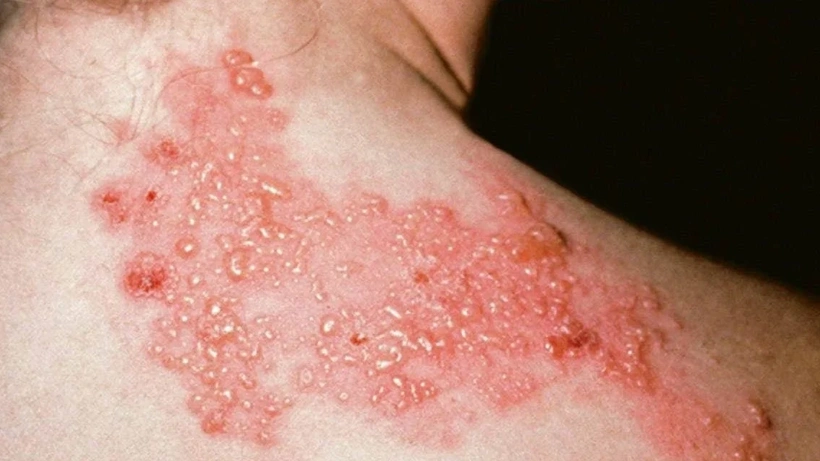
Is Shingles Contagious?
Shingles itself is not transmitted from one person to another. However, the varicella-zoster virus can spread from a person with shingles to someone who has never had chickenpox or has never received the chickenpox vaccine. In such cases, the exposed person may develop chickenpox, not shingles.
Why Does Shingles Become More Important With Age?
The risk of developing shingles increases with age. The most common complication of shingles is long-lasting nerve pain known as postherpetic neuralgia (PHN). PHN occurs in the areas affected by the shingles rash and may persist for months or even years after the rash has disappeared.
The pain caused by PHN can be severe and debilitating and may significantly affect a person’s quality of life. People with weakened immune systems are also at greater risk of developing shingles and experiencing complications related to the disease.
What Do Current International Medical Guidelines Recommend for Shingles Prevention?
The recombinant shingles vaccine provides strong protection against shingles. By preventing shingles, it also reduces the risk of PHN and other shingles-related complications.
The recombinant shingles vaccine is recommended for:
- Adults aged 50 years and older
- Adults aged 19 years and older with weakened immune systems due to a medical condition or treatment
How Should the Shingles Vaccine Be Administered?
The shingles vaccine is administered as a two-dose series. For most people, the second dose should be given 2 to 6 months after the first dose.
For some people who have a weakened immune system, or who are going to receive treatment that may weaken their immune system, the second dose may be given 1 to 2 months after the first dose. Medical advice should be sought regarding the appropriate vaccination schedule.
People who have previously had shingles, as well as those who have received the varicella (chickenpox) vaccine, are also recommended to receive the recombinant shingles vaccine.
People who have previously received an older live shingles vaccine are also recommended to receive the recombinant shingles vaccine.
Does the Shingles Vaccine Contain Live Virus?
The recombinant shingles vaccine does not contain live virus.
The shingles vaccine may also be administered at the same time as other vaccines.
Are There Any Risks Associated With the Vaccine?
After receiving the recombinant shingles vaccine:
- Mild to moderate pain in the arm where the vaccine was administered is very common. Redness and swelling may also occur at the injection site.
- Fatigue, muscle pain, headache, chills, fever, abdominal pain, and nausea are common side effects.
These side effects may occasionally be significant enough to temporarily interfere with normal daily activities. However, symptoms usually resolve on their own within 2 to 3 days.
Even if you experience these reactions after the first dose, you should still receive the second dose of the recombinant shingles vaccine.
Guillain-Barré syndrome (GBS), a serious neurological disorder, has been reported very rarely following recombinant shingles vaccination.
Some people may faint following medical procedures, including vaccination. Inform your healthcare provider if you experience dizziness, changes in vision, or ringing in the ears.
As with any medication or vaccine, there is an extremely small risk of a severe allergic reaction, other serious adverse events, or death.
How Does the Shingles Vaccine Work?
The recombinant shingles vaccine contains a specific protein component of the varicella-zoster virus rather than live virus. This allows the immune system to recognize the virus and develop a strong immune response without causing the disease.
The vaccine also contains an adjuvant, a substance designed to enhance the body’s immune response, helping to produce stronger and longer-lasting immunity.
This immune response helps the body keep the varicella-zoster virus under control and reduces the risk of developing shingles and shingles-related complications such as postherpetic neuralgia (PHN).
The shingles vaccine provides strong and long-lasting protection against shingles and postherpetic neuralgia.
This publication is intended for informational purposes only.