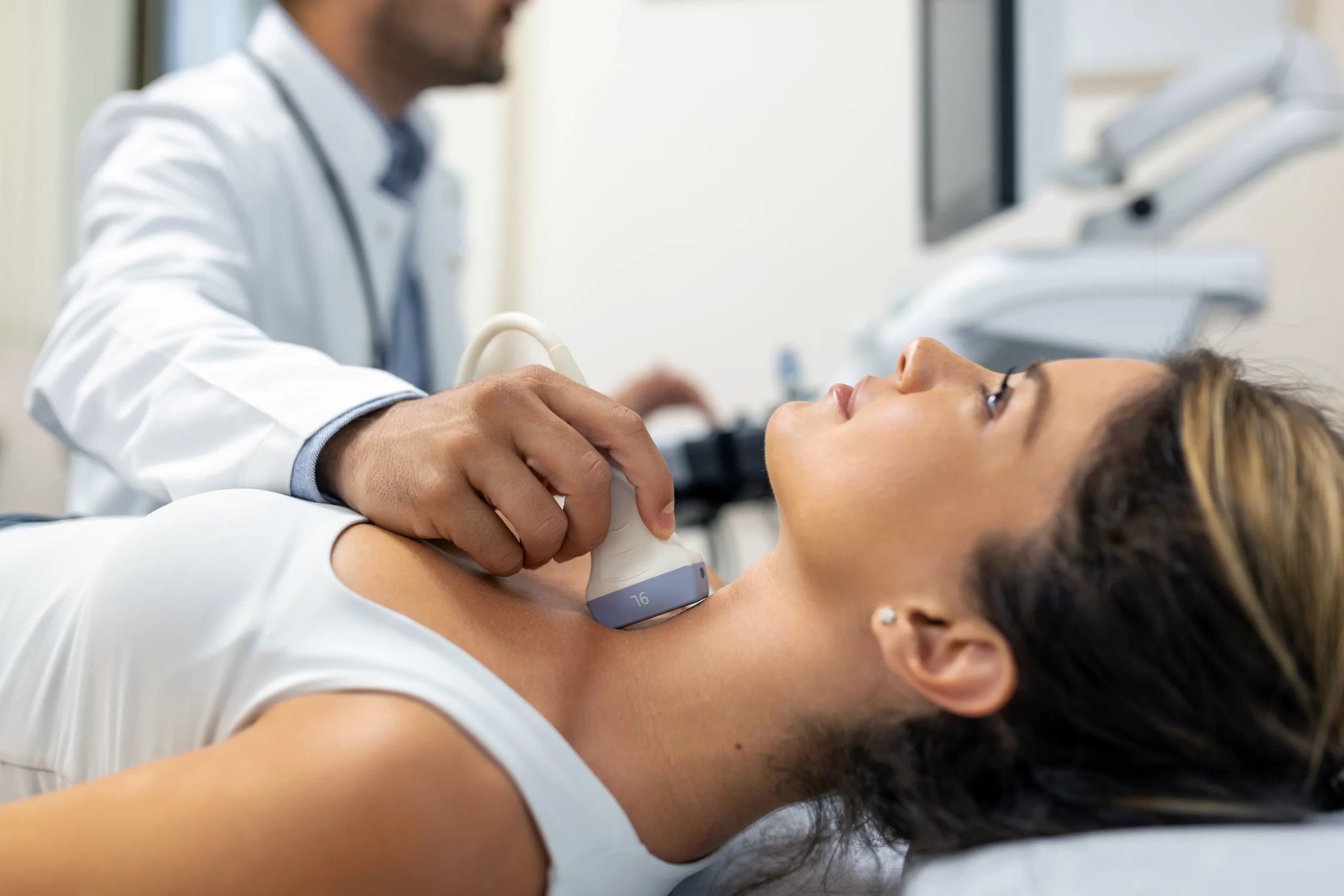
What is Doppler? It refers to a medical imaging method based on evaluating the vascular system and blood flow through sound waves. The technique used is applied to examine the blood flow occurring within the vascular structures inside the body.
What is Doppler? The expression gains importance in the early follow-up of vascular diseases. It provides information about blood flow in areas such as the carotid artery in the neck region, venous structures in the legs, or vertebral arteries. Different analyses can be performed using color, spectral, or power techniques.
What Does Doppler Mean?
This imaging method focuses on assessing the direction and speed of blood flow and is frequently used to examine vascular structures. Doppler ultrasonography (USG) is based on the interaction of sound waves with moving tissues and helps monitor the blood flow within the vessels.
The method used is divided into different types depending on the region where it is applied and provides data about vascular health. It is mostly performed by specialist radiology doctors, and since no radiation is used during the examination, it is widely preferred.
At the core of the examination, sound waves hit blood cells and reflect back, and this response is converted into an image through special devices. In analyses performed using color techniques, carotid color examination is one of the frequently preferred methods.
When a detailed examination is required in specific areas of the body, 2D, 3D, or 4D ultrasound methods can be used. These special ultrasound applications targeting the vertebral region are important for monitoring the movement of tissues and assessing their relationship with the vascular structure.
The vertebral artery color method can be used to monitor the vessels located in the spine area. In cases involving the vessels of the legs, lower extremity venous Doppler examination is performed and is used to evaluate conditions such as the presence of a clot.
The characteristics of the applications can be summarized as follows:
- Analyzes the direction and speed of blood flow.
- Includes special algorithms to determine tissue movements.
- Helps examine blockage risks in vascular structures.
- Provides neutral and scientific data as an imaging method.
In light of all these explanations, the question what is Doppler refers to the scientific examination of the vascular system and blood flow.
Where is a Doppler Performed?
Doppler is a special imaging method applied to examine blood circulation within the body. It is based on the analysis of reflections created when sound waves hit the blood flow. This technology plays a very important role in the diagnosis of vascular diseases. It is especially used to reveal circulation-related issues such as vascular occlusions, clot formation, or narrowing.
Known also as Doppler USG or Doppler ultrasonography, this method is a non-invasive test, meaning it is performed without entering the body. In the application, high-frequency sound waves are used to examine the blood flow in vessels. In this way, circulation problems in various regions such as the heart, brain, legs, or kidneys can be detected. At the same time, this test provides information about the condition of the placenta and the baby’s vessels during pregnancy.
The place where the test is performed may vary depending on the patient’s need and the doctor’s direction. Generally, this procedure is carried out in radiology departments of hospitals, private imaging centers, or some clinics. No special preparation is usually required before the procedure, and it is often performed while the patient is standing or lying on their back.

Doppler testing is preferred in the following cases:
An advanced form of this method, color Doppler, makes the direction and speed of blood flow more visible through color images. It is particularly effective in analyzing changes in blood flow speed. Graphics and images generated by processing the reflected sound waves on a computer make diagnosis easier.
The information obtained by evaluating the reflected sound waves enables the early detection of many vascular diseases and allows appropriate treatment planning. This clearly demonstrates why Doppler is such an indispensable tool in medicine.
What is Doppler Ultrasound?
This imaging method used in the evaluation of vascular diseases provides important data regarding the circulatory system. The examination method is based on showing the direction and speed of blood flow with the help of an ultrasound device.
The answer to the question how is color Doppler performed can be explained as follows: a special probe is placed on the determined area, and moving tissues are analyzed by the device. By visualizing the movement characteristics of the blood circulating inside the body, data about the vascular system are obtained.
In practice, various health conditions can be analyzed by performing arterial Doppler or examinations targeting the veins. The technique used is non-invasive and is frequently preferred since it does not contain radiation.
There are specific applications depending on the region to be evaluated. The carotid Doppler method is used to examine the blood flow in the neck region and can provide early information about the vessels that supply the brain.
When cardiovascular circulation needs to be assessed, it may provide supportive data in terms of heart diseases. Analyses that give insight into the venous system are performed when monitoring venous structures in the legs.
In some cases where a comprehensive examination is required, the vascular relationship can also be observed together with the tissue structures through a detailed ultrasound method.
The usage areas of Doppler ultrasound are as follows:
- Measuring the speed and direction of blood flow
- Observing possible changes in vascular walls
- Examining the relationship between tissue and vessel
- Determining the need for further examination in suspicious cases
The data obtained contribute to answering the question what is Doppler scientifically and are accepted as a guiding tool in health evaluations.
Both methods can be used for imaging, but the data they measure are different. USG shows structural tissues, while the Doppler method focuses on examining moving blood flow. Therefore, they are not exactly the same; they are considered two complementary techniques.
The duration may vary depending on the area to be examined. In some cases, it is a short procedure, while in others a more detailed examination may be required. Generally, the specialist physician decides on the evaluation process.
The preparation requirements may vary depending on the area of the body being examined. In some cases, certain dietary restrictions may be requested, while in others no special preparation is needed. The physician’s instructions before the procedure are important.
It makes a significant contribution to the evaluation process by showing the speed, direction, and possible changes in vascular structures.
This test is requested to determine the speed and direction of blood flow in vessels. Doctors use this test to examine vascular occlusion, narrowing, clotting, varicose veins, or circulation problems in the placenta and the baby during pregnancy. It can also be used to detect leakage in heart valves or to assess whether organs are receiving enough blood flow.
During the imaging process, the patient is usually in a lying position on their back. A special gel is applied to the area to be examined, and imaging is performed by applying gentle pressure with an ultrasound probe over the skin. During the procedure, the images generated by the sound waves are instantly reflected on the screen.
Doppler is a special type of ultrasound technology. While standard ultrasound provides structural images of organs, Doppler ultrasound evaluates the flow of moving blood. In other words, ultrasound shows the structure; Doppler shows the function. Both operate using sound waves but have different usage purposes.
The procedure can easily be applied to many different parts of the body. Among the most commonly preferred areas are the neck vessels known as carotid arteries, the veins of the legs and arms, the vessels around the heart, the renal arteries, the uterus and umbilical cord vessels during pregnancy, and the vessels of internal abdominal organs. Evaluating blood flow in these areas provides highly valuable information in the diagnostic process.
Preparations before imaging vary depending on the area to be scanned. In cases where leg and neck vessels are examined, generally no special preparation is required, whereas for the abdominal area, a fasting period of 6 to 8 hours before the scan is recommended. It is advisable to wear comfortable clothing on the day of the procedure. Also, if there are any regular medications being taken, it is important to inform the doctor beforehand.
The time to receive the results depends on the workload and organizational structure of the center where the procedure is performed. In private health centers, results are often available the same day or the next day, while in public hospitals, this process may take several days. In cases of emergency, a preliminary evaluation can be performed quickly under doctor supervision after the scan.
For the latest radiological imaging technologies, you can contact Denge Tıp.
For a detailed evaluation regarding the question what is Doppler, you can contact Denge Tıp to get information about suitable examination methods.