

What is NEU? The neutrophil-lymphocyte ratio (NEU), a combination of neutrophils, lymphocytes, and monocytes, is an important parameter examined in blood tests. Neutrophils are white blood cells that form the first line of defense against infections in the body. NEU is crucial for assessing inflammation and infections in the body and can assist physicians in identifying immune system issues.
What is NEU? The neutrophil value indicates the level of infection or inflammation in the body. Physicians use this value to monitor the course of diseases and to determine treatment strategies. High NEU values may indicate bacterial infections or severe inflammatory diseases, while low NEU values may point to immune system disorders.
NEU Blood Test
A blood test is a test used to evaluate the body’s defense mechanism in cases of infection and inflammation. Neutropenia, determined from this test, indicates that the number of neutrophils is below normal levels, which can signify weaknesses in the immune system. The neutrophil count in blood tests is a critical indicator of how the body responds to infections.
The neutrophil value reflects the ratio of neutrophils, lymphocytes, and monocytes. In infection cases, an increase in the number of neutrophils, the first line of defense in the body, is expected. However, sometimes this number can decrease, indicating immune system issues or bone marrow diseases.
The normal values of neutrophil count are determined according to laboratory reference ranges and may vary depending on a person’s age, gender, and overall health condition.

While the reference range for NEU (Neural Tube Equivalent) can vary from laboratory to laboratory, in adults, a range of 1,500 – 7,000 /µL (microliter) is generally considered normal. Values above 7,000 /µL indicate high NEU, while values below 1,500 /µL indicate low NEU. The NEU value should not be interpreted in isolation; it should be considered in conjunction with other blood parameters and clinical findings.
In cases where low NEU is detected, physicians conduct additional tests to determine the underlying causes. The results of these tests help in assessing the patient’s overall health and determining appropriate treatment methods. Diseases that can be diagnosed with NEU blood tests include:
Accurate measurement of the neutrophil count in blood tests is vital for the early diagnosis and treatment of these diseases, as abnormalities in the neutrophil count can indicate serious immune system issues. Regular health check-ups and blood tests can help detect potential health problems at an early stage.
What is NEU Elevation?
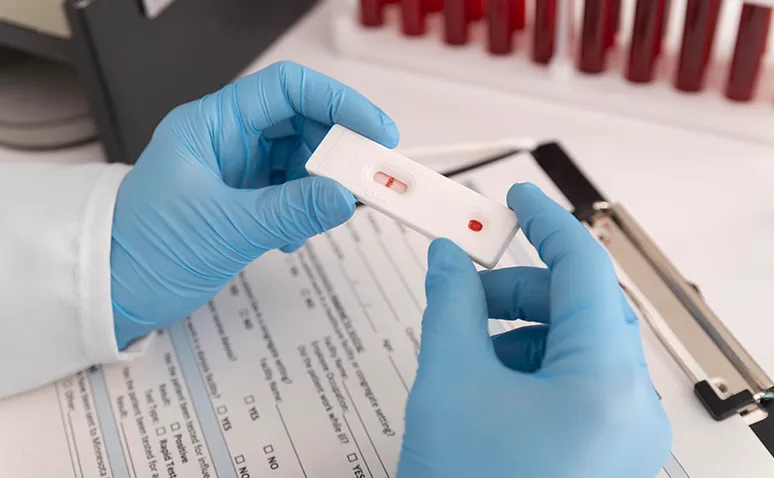
NEU elevation refers to a condition where the neutrophil count in the blood is above normal values. Neutrophils play a crucial role in the body’s fight against infections. Therefore, this increase may be the body’s natural response to infection or inflammation.
In cases of severe stress or post-trauma, an increase in neutrophil levels may be observed. Test results play a critical role in accurately evaluating and treating such conditions. Physicians determine appropriate treatment methods by considering the patient’s medical history and current health status and closely monitor the patient’s recovery process.
What Are the Symptoms of NEU Elevation and Decrease?
Neutrophil elevation and decrease are important indicators reflecting the state of the body’s immune system.
Symptoms of High NEU Levels
The neutrophil level measured in blood tests may rise above the normal range. This increase is often evaluated together with certain physical findings related to the body’s immune response.
Symptoms that may be observed in such situations can be listed as follows:
- Symptoms such as fever, chills, and sweating are commonly seen. An increase in neutrophils may indicate that the body is fighting an infection.
- Signs of inflammation such as redness, swelling, and pain on the skin may occur. This condition may signal chronic inflammatory diseases.
- If the body is constantly fighting an infection or inflammation, the person may feel persistently tired and weak.
- Joint and muscle pain may occur as a result of inflammatory processes in the body.
The findings that emerge may be associated with different health conditions. Therefore, evaluating blood test results together with other laboratory data and the individual’s medical history helps provide a more accurate interpretation.
What Causes High NEU Levels?
Values measured in blood analyses rising above the reference range may be related to the immune system’s response to various stimuli. In some cases, the body may increase the production of defense cells in response to processes such as infection or tissue damage.
The main conditions that may be associated with an increase in value include:
- Infections: Neutrophil production may increase in bacterial infections and a noticeable rise may appear in test results.
- Intense stress conditions: The immune system response may change after trauma, surgical procedures, or severe physical stress.
- Use of medications containing cortisone: Corticosteroid group drugs may cause an increase in the number of neutrophils in circulation.
- Inflammation-related diseases: Rheumatic diseases or long-lasting inflammatory processes may lead to increased measurement values.
- Smoking and certain metabolic conditions: Long-term smoking or certain metabolic changes may affect the distribution of blood cells.
Neutrophil elevation observed in a blood test may occur for different reasons. For accurate interpretation, blood parameters and the individual’s overall health condition are evaluated together.
What is Low NEU?
A decrease in the level of defense cells measured in a blood test below the normal range is considered a condition that may affect the immune response. This decrease indicates a reduction in the number of circulating white blood cells and may be associated with certain health processes.
Cells involved in the defense system are white blood cells that form the first response against infections. When the number of these cells that fight microorganisms decreases, the body’s resistance to infections may change.
A reduction in neutrophils circulating in the bloodstream and involved in fighting microbes may, in some cases, increase susceptibility to infections.
Changes in neutrophil production occurring in the bone marrow may affect the number of cells released into circulation. Some diseases, medication use, or conditions related to the immune system may create differences in measurement results.
The main factors that may be associated with this condition include:
- Decrease in bone marrow production: Slowing of the production process in the bone marrow may reduce the number of defense cells entering circulation.
- Effect of certain medications: Chemotherapy drugs or immunosuppressive treatments may affect the cell production cycle.
- Viral infections: Some viral diseases may temporarily cause a decrease in cell count.
- Nutritional deficiencies: Vitamin B12 or folate deficiency may be among the factors affecting the production mechanism.
- Immune system-related diseases: Autoimmune processes may alter the level of defense cells in circulation.
Defense cells are considered an important part of the immune system involved in the body’s mechanism for fighting microorganisms. A decrease observed in measurement results does not indicate a diagnosis on its own. A more accurate interpretation can be made when the person’s medical history and other blood parameters are examined together.
Symptoms of Low NEU
When the level of defense cells in the blood falls below the reference range, various findings related to weakened immune response may occur.
Symptoms that may be associated with this condition include:
- When the immune system is weak, a person may experience infections more frequently.
- Fever and chills may be common symptoms when the body has difficulty fighting infections.
- Problems such as mouth sores and gum inflammation may indicate that the NEU value is low.
- Skin problems such as infections, boils, and abscesses are frequently observed.
Since the observed findings may be related to different health processes, it is important to evaluate blood results together with other parameters and the person’s medical history.
What Causes Low NEU?
A drop in defense cell levels below the measurement range in blood analyses may occur simultaneously with different health conditions. The number of circulating cells may decrease due to changes in production or rapid consumption.
The main causes that may be associated with a decrease in value include:
- Severe infection processes: In prolonged or severe infections, defense cells may be rapidly consumed and the amount in circulation may decrease.
- Diseases affecting the bone marrow: Certain diseases such as leukemia or bone marrow failure may affect the cell production process.
- Radiation exposure: Radiotherapy or intense radiation effects may suppress the production mechanism in the bone marrow.
- Long-term chronic diseases: Some systemic diseases may affect the balanced production and circulation of immune cells.
- Effects related to alcohol use: Long-term and heavy alcohol consumption may cause changes in bone marrow functions.
During the evaluation process, other blood parameters and the person’s overall health condition are considered together.
How is the NEU Value Interpreted?
Focusing on a single numerical value is not considered sufficient for correct interpretation of results. The measurement result should be evaluated together with the person’s age, general health condition, and other blood parameters. During the evaluation process, the NEU neutrophil level is examined by comparing it with different blood cells to understand the direction of the immune response.
The main points considered during interpretation include:
| Reference ranges | Measurements above or below reference values may indicate different health processes. |
| Relationship with other blood parameters | Lymphocyte, monocyte, or total white blood cell count are examined together. This comparison helps determine how the immune response has changed. |
| Infection and inflammatory processes | Bacterial infections, viral diseases, or inflammation-related conditions may create differences in measurement results. |
| Immune system diseases | In some cases, autoimmune diseases may affect the distribution of immune cells and significant changes may appear in blood results. |
| Rheumatic diseases | Long-lasting inflammatory processes may affect the distribution of immune cells. For example, differences may be seen in blood parameters in diseases such as rheumatoid arthritis. |
Physicians interpret measurement results together with the person’s medical history, existing symptoms, and other test findings to make a more comprehensive evaluation. This approach helps reach an accurate diagnosis process and determine necessary follow-up methods.
The neutrophil value being outside the reference range may indicate various health issues, and early diagnosis and treatment of these conditions can make a significant difference in patients’ health. Therefore, regular blood tests are one of the most effective ways to gain insight into the immune system.
Frequently Asked Questions
A decrease in defense cells below the normal range in a blood test is often related to changes in the production process or rapid consumption of cells. Viral infections, diseases affecting the bone marrow, certain medications, and nutritional deficiencies are among the main causes associated with this decrease.
An absolute neutrophil count below 1500 cells/µL is generally considered low. At levels below 500 cells/µL, susceptibility to infections may increase significantly. Blood test results are interpreted together with the person’s overall health condition and other parameters.
The neutrophil percentage measured in a blood test usually constitutes a certain portion of total white blood cells. In most laboratories, the reference range is accepted as approximately 40% to 70%. Interpretation of values is made considering age, health status, and other blood parameters.
Changes in the immune system and hormone levels during pregnancy may affect some blood parameters. An increase in neutrophil levels may occur during this period. Measurement results are generally associated with physiological changes, but evaluation should be made by the physician following the pregnancy.
.
Lowering high values observed in blood tests is generally possible by identifying the underlying cause rather than through a direct intervention. After treating infections, controlling inflammation, or reviewing medications used, measurement results may approach the reference range.
An increase in values below the reference range is often related to correcting the underlying cause. Improvement in blood values may occur after addressing nutritional deficiencies, treating infections, or controlling conditions affecting the bone marrow.
The WBC value measured in a blood test represents the total white blood cell count. Neutrophils are a subcomponent of this cell group. Therefore, the measured value usually constitutes a certain percentage of total white blood cells and both parameters are evaluated together during interpretation.
For more detailed information about what NEU is and what it indicates in a blood test, you can contact Denge Tıp.