
A hormone test is a medical test used to measure the levels of various hormones in the body. These tests are performed using samples taken from body fluids such as blood, urine, and saliva. Hormone tests are conducted to diagnose and treat hormonal disorders and also provide data on how hormones affect normal body functions.
A hormone test measures the levels of various hormones including thyroid, adrenal, sex hormones, and insulin. These tests play a critical role in determining conditions like deficiencies or excesses of growth hormone. Therefore, the importance of hormone tests in early diagnosis of any health issues and planning of appropriate treatment is significant.
Some common hormone tests conducted in health centers and laboratories include:
What is a Hormone Test?
Hormone tests play a decisive role in diagnosing different health problems and planning treatment methods. Hormones are chemical messengers that regulate various functions in the body and their balances have a major impact on overall health.
The concept of endocrine refers to the glands in the body that secrete hormones directly into the bloodstream. These glands make up the endocrine system. The hormones secreted from this system regulate the functions of various organs and tissues in the body; they control processes such as metabolism, growth, reproduction, and cell functions.
For instance, hormones secreted from the thyroid gland regulate metabolism. Thyroid tests measure the levels of T3 and T4 hormones and assist in diagnosing hypothyroidism or hyperthyroidism. Abnormally low or high levels of these hormones can cause a wide range of symptoms, from energy levels to weight changes.
In the context of reproductive health, Luteinizing Hormone (LH) regulates processes such as ovulation and the menstrual cycle. In women, LH levels are used to determine the timing of ovulation. This information is valuable in fertility treatments and monitoring ovulation.
Anti Müllerian Hormone (AMH) is used to assess a woman’s ovarian reserve. The level of AMH provides information about the number of eggs remaining, which assists in fertility planning and identifying conditions that may require intervention.
Menopause is a period when a woman’s reproductive capabilities come to an end, and during this time, there are significant changes in hormone levels. Hormone tests during menopause identify the onset of menopause. Hormone tests in this period also guide in alleviating symptoms and adjusting hormone replacement therapies.
How is a Hormone Test Performed?
The evaluation of hormonal balance in the body is based on a measurement process carried out by following specific steps. The process is planned according to the reason for application and the reported symptoms. The scope of the evaluation is shaped individually.
Before the test, medications in use, the current health status, and recent changes experienced by the individual are taken into consideration. The aim is to clarify which system the findings suggesting a possible hormonal imbalance are associated with. When selecting the sampling method, the daily fluctuation characteristics of the hormone to be measured and fasting requirements are taken into account.
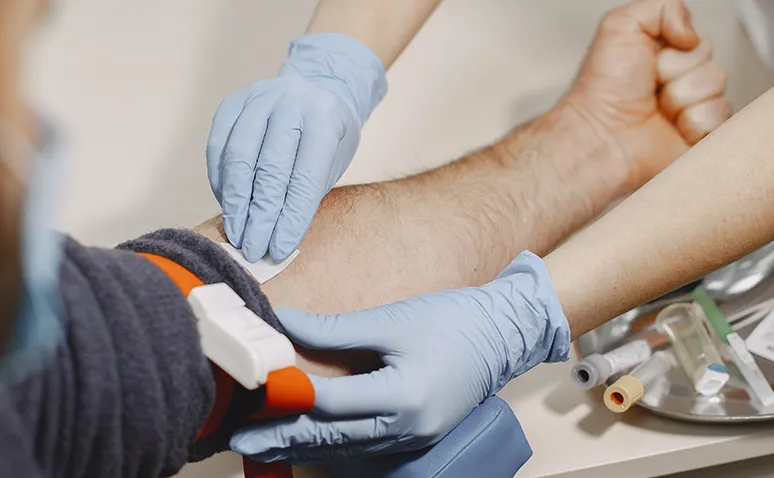
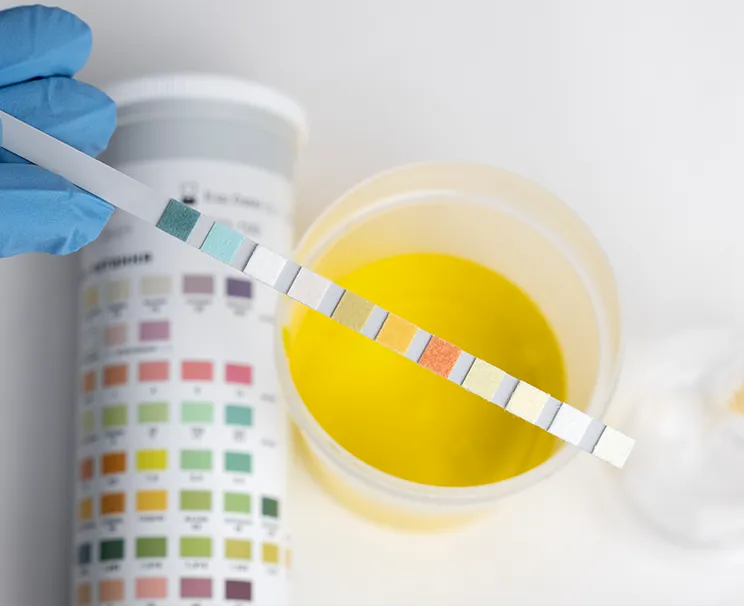
Sample collection is generally planned for the morning hours and is most commonly performed through a blood test. In some cases, urine or saliva samples may be preferred. The procedure is completed in a short time and does not interrupt daily routines.
The findings are evaluated by comparing them with reference ranges. Age, sex, and accompanying symptoms play an important role in the interpretation of the values.
The application steps can be summarized as follows:
- Complaints and medical history are recorded as part of the preliminary evaluation.
- The hormones to be measured are determined.
- The appropriate sampling time is planned.
- Required fasting or preparation conditions are ensured.
- The sample is collected and sent to the laboratory.
- Results are compared with relevant reference ranges.
The results contribute to planning the follow-up process and, when necessary, are supported by additional examinations. Adherence to preparation and timing stages is important for the process to proceed correctly.
Hormone Testing in Women
Evaluations performed in women are planned to understand processes related to the reproductive system and age-related changes. Measurements are carried out by considering menstrual regularity, fertility status, and overall hormonal balance.
Monitoring physiological changes that occur during menopause helps determine which stage of this transition the individual is in. The examinations performed serve as guidance in evaluating symptoms such as menstrual irregularities, hot flashes, and mood changes.
In the assessment of changes specific to the transition period, the menopause test is among the measurements that help determine the current stage. In women of reproductive age, estrogen hormone levels provide information about ovarian functions and cycle regularity.
The main points addressed in the process can be summarized as follows:
- Regular progression of the menstrual cycle
- Functional status of the ovaries
- Age-related hormonal changes
- Indicators related to reproductive capacity
The resulting findings guide the follow-up process, and when necessary, additional evaluations may be considered.
Hormone Testing in Men
Evaluations performed in men are based on examining indicators related to reproductive system functions and overall metabolic balance. The process is planned by taking age-related changes and individual complaints into account.
Measured values help clarify conditions such as decreased energy levels, changes in muscle mass, and variations in sexual desire. In this context, testosterone hormone levels are among the primary indicators associated with male reproductive health and physical endurance.
The main elements considered during the evaluation process can be listed as follows:
- Age-related hormonal changes
- Indicators related to reproductive functions
- Values associated with muscle and bone structure
- Measurements linked to energy levels
Existing findings contribute to planning the follow-up process and are evaluated with additional measurements when necessary.
What are the Types of Hormone Tests?
The types of hormone tests include methods used to evaluate various health conditions and diagnose certain diseases. Hormone tests cover many different systems and conditions.
The functions of these tests can be described as follows:
Thyroid Function Tests
Thyroid tests evaluate whether the thyroid gland is functioning properly. Common thyroid tests include TSH (Thyroid Stimulating Hormone), T3 (Triiodothyronine), and T4 (Thyroxine).
Growth Hormone Tests
These are used especially in children to evaluate growth rates and growth hormone levels. In adults, excess or deficiency of growth hormone can also be detected through these tests.
Reproductive Hormone Tests
These tests assess reproductive health and determine hormonal imbalances. Evaluations look at levels of testosterone, estrogen, progesterone, LH (Luteinizing Hormone), and FSH (Follicle Stimulating Hormone).
Insulin and Glycemic Index Tests
These tests evaluate how the pancreas produces insulin and regulates blood sugar. They are used in the diagnosis of Type 1 and Type 2 diabetes.
Adrenal Hormone Tests
The function of the adrenal glands is assessed by measuring levels of hormones such as cortisol and aldosterone.
Melatonin and Serotonin Tests
The levels of these hormones, which affect sleep patterns and mood, can be measured in cases of sleep disorders or depression.
Parathyroid Hormone Test (PTH)
This test measures the level of parathyroid hormone, which regulates calcium metabolism. It is used to identify problems related to bone health and calcium balance.
Anti-Müllerian Hormone (AMH) Test
Used in women to assess the ovarian reserve and provide information about fertility status.
The timing of hormone tests varies depending on the individual’s health condition and the recommendations of the doctor. Hormone tests may be requested in women experiencing menstrual irregularities and symptoms of menopause. Generally, hormone levels are important to evaluate in patients displaying symptoms such as fatigue, weight changes, hair loss, high stress, and metabolic disorders.
When is a Hormone Test Performed?
Timing is an important factor in ensuring that measurement results are evaluated accurately. The evaluation process is planned according to the individual’s age, sex, and current complaints.
In measurements related to the reproductive system, cycle days are taken into account, and samples collected on specific days provide more meaningful data. In women, since the levels of certain hormones may vary throughout the cycle, interpreting hormone levels during menstruation is considered together with cycle day information.
In men, timing generally focuses on the early hours of the day. Measurements performed in the morning are less affected by daily fluctuations. Measurements planned during childhood and adolescence contribute to monitoring growth and development processes. For some hormones, fasting status or temporary discontinuation of certain medications may be required. Therefore, the preparation process before sampling is important.
Certain tests related to reproductive health have specific timing requirements. For example, the FSH test is generally planned during the early days of the cycle in women, while in men it can be performed without restriction to a specific day. This difference is related to hormone secretion patterns and is considered when interpreting results.
Timing-related considerations include:
- Specific days of the menstrual cycle
- Measurements performed in the morning hours
- Conditions requiring fasting
- Age-related monitoring periods
- Time intervals when symptoms and complaints occur
Properly planned measurement timing increases data consistency and provides a sound basis for the follow-up process.
Why is a Hormone Test Performed?
Evaluating hormonal balance in the body helps determine whether many physiological processes are functioning properly. Measurements are planned to examine indicators related to metabolic rate, reproductive system functions, energy levels, and growth processes.
Since certain changes affecting daily life may be linked to hormonal regulation, these evaluations serve as a guiding tool. Hormone values are interpreted by considering age, sex, and individual characteristics and are assessed from a holistic perspective rather than in isolation.
Conditions such as fatigue, weight fluctuations, changes in hair and skin structure, or alterations in sleep patterns may require a review of hormone-related processes. In reproductive health evaluations, menstrual irregularities, fertility planning, or age-related transition periods are important indicators.
Understanding the functions of glands related to the endocrine system is also among the reasons for performing these measurements. Thyroid hormone levels are among the key factors affecting metabolic rate and energy utilization. Therefore, related measurements are informative for individuals showing thyroid-related symptoms.
Situations requiring evaluation include:
- Changes in metabolism and energy levels
- Irregularities related to reproductive health
- Age-related hormonal transition processes
- Growth and development monitoring
The obtained results contribute to planning the follow-up process and are supported by additional evaluations when necessary.
Frequently Asked Questions
How is a hormone test performed during menstruation?
The procedure is generally planned for the 2nd or 3rd day of menstrual bleeding, as this period allows for the evaluation of values reflecting the early phase of the cycle. The procedure is usually performed in the morning, and the number of menstrual days is always recorded during sample collection.
How many days does it take to get hormone test results?
The time required to receive results may vary depending on the number of hormones tested and the laboratory’s workflow. While most measurements are completed within a few days, this period may be slightly longer for comprehensive evaluations. The expected turnaround time is communicated to the individual at the time of application.
Which department performs hormone testing?
These evaluations are generally planned by internal medicine or units dealing with the endocrine system. In cases related to reproductive health, obstetrics and gynecology or urology departments may be involved in the process. The requested tests may also be carried out by medical imaging centers and laboratory units following referral.
Is a hormone test performed while fasting?
Fasting requirements may vary depending on the hormone being measured. In some cases, fasting sample collection is required, while for other measurements no such condition is necessary. Therefore, preparation instructions are provided prior to the procedure, and individuals are expected to follow them accordingly.