Fetal DNA test price may vary depending on the scope of prenatal screening tests, the laboratory method used, and the number of chromosomes analyzed. The technical content of the test, the genetic parameters examined during the evaluation process, and the details of reporting play a determining role in price formation.
Fetal DNA test price evaluation considers whether the test includes a standard panel or an extended panel. The analysis technology used, the technical infrastructure of the laboratory, and the scope of the result report may lead to price differences. While some centers perform only basic chromosomal screenings, other tests may include additional genetic variations. Price assessment becomes more accurate once the test content is clearly defined.
Fetal DNA Test Price 2026
When evaluating fetal DNA test prices for 2026, the scope of the test, the number of chromosomes analyzed, and reporting details are considered primary determining factors. The screening approach can be applied starting from the 9th-10th week of pregnancy. Laboratory methods and analysis depth are among the factors influencing price ranges.
During the evaluation process, the purpose of this test is to provide a probability-based assessment of specific chromosomal risks based on biological data obtained from the expectant mother. The analysis is performed using a blood sample and is non-invasive in nature.
Depending on the screening scope, the free fetal DNA fraction is measured, and the resulting data are interpreted using statistical methods. During the reporting stage, test results are presented on a probability basis and do not serve a diagnostic purpose.
Among the primary conditions examined is Down syndrome, while additional chromosomal parameters may vary depending on the test panel.
Factors considered in price evaluation include:
- Number of chromosomes and genetic variations analyzed
- Whether the test panel offers standard or extended content
- Laboratory analysis methods and quality control processes
- Scope of reporting and presentation details of results
- Technical requirements related to sample processing and analysis duration
The cost of a fetal DNA test can be evaluated more accurately after the test content is clarified. Costs for 2026 may vary depending on these technical variables.
Free Fetal DNA Test Price
The cost of a free fetal DNA test may vary depending on the application method, analysis scope, and reporting details. During evaluation, the genetic parameters included in the screening test and the depth of analysis are among the primary determining factors.
The pricing approach is directly related to the laboratory techniques used and the manner in which results are evaluated. For this reason, DNA test pricing is assessed based on technical and content-related factors rather than a single criterion.
The screening process consists of specific stages shaped around the question of how a fetal DNA test is performed. Analyses conducted using a sample obtained from the expectant mother are based on statistical evaluation, and the resulting data are interpreted accordingly.

The report provided contains probability-based information and does not have diagnostic value. A more accurate cost analysis can be performed once the scope of the fetal DNA test is clearly defined.
The general stages of applying a free fetal DNA test are as follows:
- Assessment of suitability based on gestational week
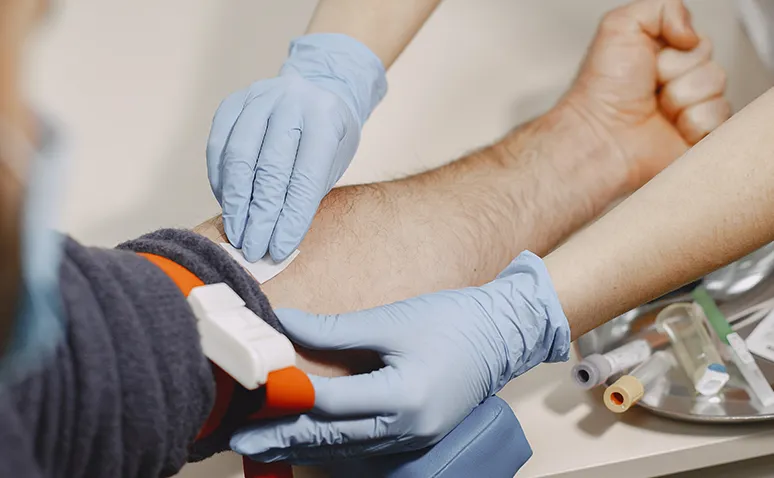
- Collection of a peripheral blood sample from the expectant mother
- Separation of the circulating free fetal DNA fraction
- Performance of genetic analyses in a laboratory setting
- Interpretation of obtained data using statistical methods
- Preparation of a probability-based result report
All these stages determine the technical content of the test and play an influential role in price formation.
Frequently Asked Questions
The timing of application is determined based on pregnancy progression and the point at which circulating genetic material reaches a measurable level in the blood. Evaluation is generally planned after the end of the first trimester. Timing decisions are shaped by gestational age.
Evaluation provides probability-based results and does not serve a diagnostic purpose. Within the scope of the test, a risk analysis for Down syndrome (Trisomy 21) may be performed. During the evaluation process, risk probabilities for conditions such as Trisomy 18 (Edwards syndrome) and Trisomy 13 (Patau syndrome) may also be reported.
Autism spectrum disorder is not within the scope of this screening approach. This condition, influenced by multiple genetic and environmental factors, cannot be assessed using current screening panels.
Genetic data related to sex chromosomes may be evaluated as part of the analysis. Depending on the test content, a prediction regarding fetal sex may be provided. The information presented is screening-based in nature.
For general information regarding fetal DNA test pricing and test scope, you may contact Denge Tıp.