

Where is an HPV test performed? This test, which detects the presence of HPV infection, is performed at healthcare facilities where appropriate sample collection and laboratory analysis can be carried out. It may be performed in hospitals’ obstetrics and gynaecology departments, authorised laboratories, medical centres, and healthcare facilities with suitable infrastructure.
Where is an HPV test performed? In addition to the institution where the test is performed, the method used and how the results are evaluated are also important considerations. A cell sample taken from the cervix is analysed in the laboratory to determine whether high-risk HPV types are present. Depending on the person’s age, screening history, and physician’s assessment, the HPV test may be planned on its own or together with a smear test. Evaluation of the results by a physician helps determine the necessary follow-up and any further examinations.
Where is an HPV Test Performed for Men?
HPV testing in men can be performed in medical laboratories capable of molecular analysis and healthcare facilities with the relevant specialist departments. There is no standard routine HPV test for men comparable to cervical screening in women. The need for testing is assessed by considering the person’s findings and risk history.
If testing is considered appropriate, the following departments and facilities may be consulted:
- Medical laboratories with molecular diagnostic infrastructure
- Urology departments
- Dermatology departments
- Healthcare facilities that provide evaluation in infectious diseases
The sampling site is determined according to the person’s symptoms and the physician’s assessment. A swab sample may be taken from the genital area or, when considered necessary, from other anatomical sites for molecular analysis targeting HPV DNA. Before the test, determining the sampling site, selecting the method to be used, and ensuring that the collected material reaches the laboratory under appropriate conditions are important for the reliability of the result. If a positive finding is detected, the HPV type and the person’s current symptoms may be evaluated together, and an additional examination or follow-up may be recommended.
HPV test results that are positive indicate that genetic material from the virus has been detected in the collected sample. The result alone does not determine the severity of the condition or whether it will progress. A negative result means that the targeted HPV types were not detected in the sample analysed. Having the results evaluated by a physician helps plan any necessary follow-up.
Where Can You Get an HPV Test in Ankara?
In Ankara, HPV testing can be performed at healthcare facilities and medical laboratories that have suitable sampling conditions and molecular analysis infrastructure. HPV testing in Ankara is also available at Denge Tıp Laboratory and Medical Imaging Center.
The sample collected for the test is analysed in the laboratory to investigate the presence of HPV and, depending on the method used, high-risk virus types.
The following points should be considered when choosing a centre for the test:
- Sample collection is performed under appropriate conditions
- The laboratory has the infrastructure required for molecular analysis
- The scope of the test method used is clearly explained
- Results are reported in a clear and understandable manner
- Referral for physician evaluation is available when necessary
In women, the sample is generally taken from the cervical area. The method used may vary according to the person’s age, screening history, and current findings. To support more accurate interpretation of the results, it is useful to learn which HPV types are covered by the test method before testing. If a high-risk type is detected in screening, the follow-up interval and any additional examinations required should be planned individually.
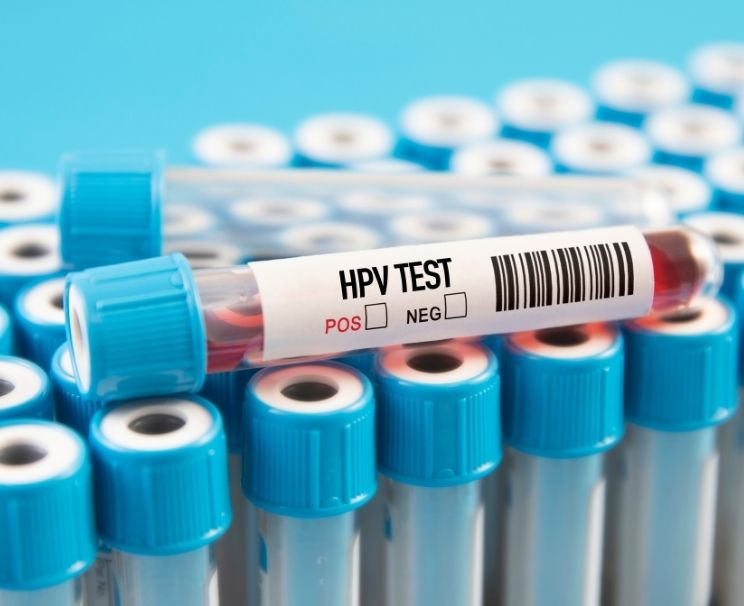
A positive result indicates that HPV DNA has been detected, but it does not by itself mean that cancer has been diagnosed. A negative result means that the HPV types covered by the test were not detected in the sample analysed. The results should be evaluated together with other examination and screening findings.
For detailed information about how the test is performed, the sampling process, evaluation of the results, and HPV, you can review Denge Tıp’s HPV Test content.
What Should You Consider Before Having an HPV Test?
Before an HPV test, attention should be paid to certain factors that may affect sample quality. Preparation may vary depending on the type of test and the area from which the sample will be taken. For cervical testing, however, certain precautions may help support the reliability of the results.
Points to consider before the test include:
- It is recommended to avoid sexual intercourse for approximately 48 hours before the procedure.
- Vaginal douching should be avoided, and vaginal medicines, creams, or gels should not be used.
- Foams, creams, or gels containing spermicides should not be used before the test.
- If possible, scheduling the test for a time when there is no menstrual bleeding may make sample collection easier.
- If vaginal medicines are being used or there is an ongoing treatment, this information should be shared before the procedure.
There is no absolute rule stating that an HPV test cannot be performed during menstruation. However, because bleeding may make evaluation of the collected cell sample more difficult, a different date may be preferred when appropriate. The preparation instructions provided by the healthcare facility should be followed before the test, and any current symptoms should be shared. Following these recommendations helps ensure that the sampling process is planned appropriately.
If a gynaecological examination, vaginal procedure, or cervical procedure was performed recently, the date should be shared with the healthcare professional. A suspected or confirmed pregnancy should also be reported before the procedure. Medicines being used should not be stopped without medical advice before sample collection. The necessary preparation steps should be followed according to the instructions of the centre where the test will be performed.
Frequently Asked Questions
Women can generally consult an obstetrics and gynaecology department, while men may consult urology or dermatology departments.
Yes. When the sample is collected appropriately, it can be analysed for HPV DNA in laboratories with molecular diagnostic infrastructure.
The turnaround time varies depending on the method used and the laboratory’s workflow. In many centres, results may be reported within a few days.
No. Fasting is generally not required for an HPV test. It is sufficient to follow the preparation instructions that may affect sample collection.
For information about having an HPV test, the testing process, and evaluation of the results, you can contact Denge Tıp.