

Polycystic ovary syndrome treatment is a personalized process aimed at managing hormonal and metabolic problems and reducing symptoms. The treatment plan is shaped according to current needs such as menstrual irregularity, excessive hair growth, acne, weight management, and the desire to become pregnant.
Polycystic ovary syndrome treatment includes lifestyle modifications together with medication therapies when considered necessary. Nutrition, physical activity, and weight management are important parts of the process. Different treatment options that support ovulation may be considered for people planning pregnancy. The treatment approach takes into account the person’s symptoms, hormone levels, metabolic status, and overall health characteristics.
Is There a Polycystic Ovary Syndrome Treatment?
PCOS is not considered a condition that can be completely eliminated. However, various treatment options are available to help control symptoms and reduce long-term health risks.
The aim of treatment is to manage problems that vary from person to person, such as menstrual irregularity, excessive hair growth, acne, weight management, or difficulty becoming pregnant. The approach used may vary according to the person’s symptoms and pregnancy plans.
Polycystic ovary syndrome treatment may include the following main approaches:
The person’s age, menstrual pattern, current symptoms, hormone levels, and metabolic health status are evaluated together when planning treatment. In people who are overweight, healthy weight loss may contribute to improvements in menstrual regularity and metabolic indicators. When medication is needed, the option used is determined according to which symptom is most prominent.
Treatment goals are not the same for people who want to become pregnant and those who are not planning pregnancy. Accordingly, follow-up is planned on an individual basis. The treatment approach may also be adjusted according to changes in symptoms or health status.
How is Polycystic Ovary Syndrome Diagnosed?
Diagnosis of polycystic ovary syndrome is made by evaluating the person’s symptoms, menstrual pattern, hormone findings, and imaging results when necessary. In adults, other causes that may lead to similar symptoms are first excluded. Certain criteria must then be met. According to current international guidelines, after other causes that could produce similar symptoms have been excluded in adults, the presence of at least two of three main diagnostic criteria supports a PCOS diagnosis.
The main findings considered in the diagnostic evaluation are:
- Presence of menstrual irregularity or ovulatory dysfunction
- Detection of androgen excess based on clinical and/or laboratory findings
- Identification of a polycystic ovarian appearance on ultrasound
Hormone evaluation can help assess androgen levels and investigate hormonal conditions that may cause similar symptoms. When diagnosing polycystic ovary syndrome, hormone tests and ultrasound may be evaluated together. The hormone test page also includes information on hormonal measurements related to reproductive system functions.
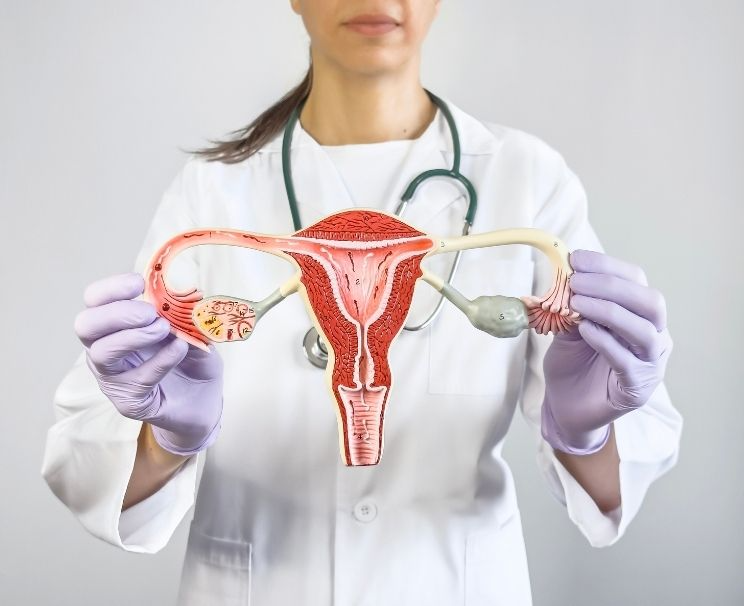
Pelvic ultrasound may be used when considered necessary to evaluate ovarian structure and follicular appearance. An ultrasound finding alone is not sufficient to diagnose PCOS. When menstrual irregularity and androgen excess are both present, ultrasound may not always be required for diagnosis in adults. In adolescents, ultrasound is not recommended to confirm a PCOS diagnosis because of its low specificity.
The diagnosis is made by a physician based on a combined evaluation of the person’s symptoms and test results.
How Long Does Polycystic Ovary Syndrome Treatment Take?
There is no set duration that applies to everyone undergoing polycystic ovary syndrome treatment. PCOS is a condition that may require long-term follow-up. Treatment may vary according to symptoms, metabolic characteristics, pregnancy plans, and the method used. The main goal of treatment is to manage symptoms and reduce long-term health risks rather than completely eliminate the syndrome.
The main factors that may affect treatment duration include:
- The course of symptoms such as menstrual irregularity, acne, or excessive hair growth
- Needs related to weight management and metabolic health
- Whether there is a pregnancy plan
- Response to the medications used and the goal of treatment
- New healthcare needs that arise during follow-up
Lifestyle changes can be maintained over the long term during treatment. The duration of medication use may be planned according to the treatment goal and the physician’s assessment. In people planning pregnancy, approaches aimed at supporting ovulation may require a different follow-up process depending on reproductive goals. Current PCOS guideline recommendations state that treatment should be individualized by taking the person’s characteristics and preferences into account.
When considered necessary, a hormone test may help evaluate hormonal balance and certain indicators related to the reproductive system. How long treatment lasts is determined according to the course of symptoms and the overall assessment.
Changes in symptoms over time are monitored during treatment. When needed, the methods used may be adjusted according to the person’s current health status.
How is Polycystic Ovary Syndrome Treatment Carried Out?
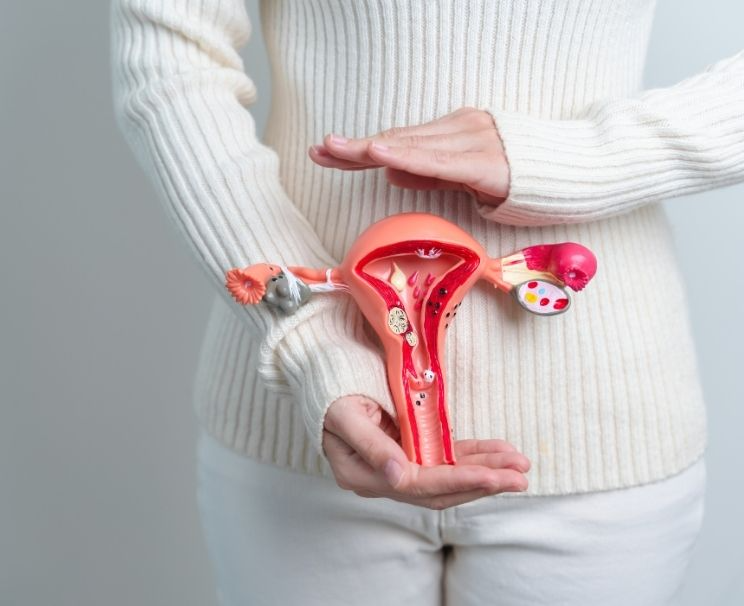
Polycystic ovary syndrome treatment is planned individually according to the person’s predominant symptoms and health needs. Rather than relying on a single standard method, lifestyle modifications, medication treatments, and treatment options related to pregnancy goals may be evaluated together.
The main approaches that may be included in the treatment plan are:
- Lifestyle modifications: Balanced nutrition and regular physical activity are among the basic approaches used to support metabolic health.
- Treatments for menstrual regulation: Appropriate hormonal treatments may be used in people with menstrual irregularity following a physician’s evaluation.
- Management of metabolic problems: Appropriate medication options may be considered by taking insulin resistance and metabolic risks into account.
- Approaches for acne and excessive hair growth: Treatments aimed at reducing symptoms associated with androgen excess may be planned.
- Treatments for pregnancy planning: In people with ovulation problems, medications that support ovulation may be considered according to pregnancy plans.
The content of treatment may change over time. The course of symptoms, menstrual pattern, metabolic findings, and the person’s response to treatment are reassessed during follow-up. Maintaining healthy lifestyle habits is one of the long-term components of PCOS management.
Treatment goals for people planning pregnancy may differ from those of people who want to manage menstrual regularity or other symptoms. The method used and the duration of follow-up are determined by the physician according to the person’s current findings and the expected treatment goal.
Treatment for People Planning Pregnancy
For people with PCOS who are planning pregnancy, one of the main treatment goals is to support regular ovulation. Treatment selection is determined by evaluating ovulation status, age, metabolic characteristics, and other factors that may affect pregnancy. In people with ovulation problems, medications that support ovulation may be used under physician supervision.
Hormone tests performed before treatment or during follow-up can help evaluate hormonal values related to the reproductive system. Which tests are necessary is determined according to the person’s menstrual pattern, symptoms, and current findings.
During treatment, if a menstrual delay or suspected pregnancy occurs, a pregnancy test may be used to assess whether the hCG hormone is present. These tests are based on detecting hCG, which begins to rise after fertilization. After pregnancy is confirmed, the medications being used and the follow-up plan are reassessed by the physician.
Lifestyle changes such as weight management, nutrition, and physical activity are also parts of the treatment plan for people with pregnancy goals. Throughout the process, ovulation patterns and the response to treatment are monitored, and the methods used may be reassessed when necessary.
Frequently Asked Questions
Without treatment and follow-up, menstrual irregularity, pregnancy-related problems, and metabolic risks may continue. In the long term, the risk of type 2 diabetes and endometrial cancer may also increase.
There is no single method that completely eliminates PCOS. Symptoms can be managed through lifestyle changes and treatments tailored to the individual.
Yes. People with PCOS can become pregnant. In cases of ovulation problems, lifestyle changes or appropriate treatments may help improve the chance of pregnancy.
PCOS is a hormonal and metabolic condition that requires regular follow-up. Because of its long-term health risks, evaluating symptoms and metabolic findings is important.
Although PCOS can affect weight management, losing weight is possible. Approaches based on healthy eating and physical activity can also be effective for people with PCOS.
For hormone tests needed as part of a PCOS evaluation, you can contact Denge Tıp.