

What is glutathione is a question that defines a fundamental molecule synthesized inside the cell that helps maintain biochemical balance. This structure, composed of three amino acids, contributes to the regulation of oxidative processes. Synthesized in many tissues, especially in the liver, it plays a role in the removal of metabolic waste.
What is glutathione as an evaluation process is associated with the continuity of cellular defense mechanisms. The system that limits the effects of free radicals contributes to the regulation of the immune response. Age, environmental factors, and dietary habits directly affect production capacity. Maintaining adequate levels supports the healthy progression of energy metabolism.
What is Glutathione Deficiency?
The internal defense balance of the body depends on the sufficient production of certain fundamental molecules. Cellular renewal processes progress together with keeping the oxidative load under control. When this structure weakens, the removal of metabolic waste slows down and immune responses may fluctuate.
With the emerging deficiency, daily energy levels and skin appearance may be directly affected by this process. A decrease in production rate is associated with environmental stress, inadequate nutrition, and age-related changes.
As the process progresses, free radical accumulation increases and tissue repair speed slows down. When systems that protect metabolic functions are not adequately supported, performance loss and prolonged recovery time may be observed.
Symptoms of glutathione deficiency include:
- Persistent feeling of fatigue and decreased energy
- Reduced resistance to infections
- Prolonged muscle recovery time
- Dull skin appearance and tone irregularities
- Difficulty concentrating
Focusing on glutathione levels when evaluating metabolic processes helps to understand the overall condition. In terms of tissue renewal, glutathione plays a role in repair cycles within the skin.
The question “what is glutathione and what does it do” stands out as one of the main topics explaining how cellular defense capacity works. Preserving production capacity is considered decisive for long-term physiological balance.
How is Glutathione Increased?
To enhance cellular defense capacity, the body’s natural production mechanisms need to be supported. Small adjustments made in daily life directly contribute to maintaining antioxidant levels.
Dietary pattern, sleep quality, and level of physical activity are among the main factors determining production speed. Habits that gain continuity help strengthen the protective structure in the long term.
At the center of the production process, glutathione synthesis progresses through amino acid-based biochemical steps. Adequate protein intake, maintaining liver functions in balance, and limiting oxidative load ensure that this process works efficiently. As daily stress levels decrease, the rate of intracellular renewal continues more steadily.
Methods that support level increase include:
When these habits are maintained together, the cellular renewal cycle progresses more regularly. Dietary diversity supports production capacity by increasing micronutrient intake. Regulating the daily rhythm limits stress-related consumption speed.
The aim within this process is to strengthen the body’s own production potential rather than relying on external intervention. When this condition is preserved, metabolic performance progresses along a more stable line.
What is Glutathione Therapy?
Applications aimed at supporting cellular balance seek to increase antioxidant capacity in a planned manner. When internal production becomes insufficient, externally supported processes are introduced.
At the planning stage, the goal is to ensure that defense systems function in a more balanced way. Pre-application evaluation is performed based on age, lifestyle, and general health status.
The question “what is glutathione” corresponds to one of the main defense molecules operating inside the cell. When low levels are detected, the planned support process is carried out in a controlled manner.
Throughout the process, the target is to strengthen systems that protect cells from the negative effects of free radicals. The monitoring schedule is shaped according to individual response speed, and dose planning is adjusted accordingly.
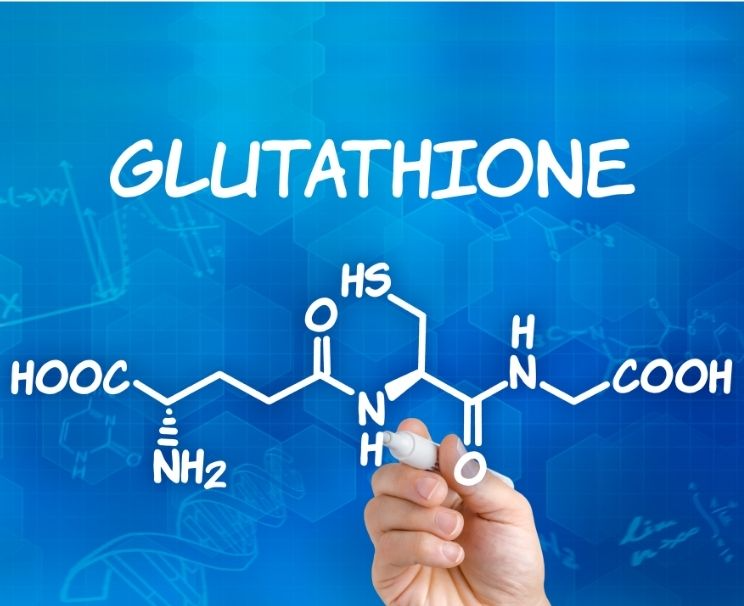
The main stages followed during the application process are:
- Determining the level of need through preliminary evaluation
- Planning the appropriate support route
- Adjusting session intervals according to the individual
- Monitoring the response process at regular intervals
- Addressing nutrition and lifestyle together
The planned support is not considered a one-time procedure. Continuous monitoring contributes to maintaining balance. Daily habits directly affect the effectiveness of the application. Adequate fluid intake, regular sleep, and stress management increase the efficiency of the process.
The aim is to rebalance the body’s own production capacity rather than viewing externally provided support as a temporary solution. When regular follow-up is maintained, the cellular renewal cycle progresses more steadily and metabolic adaptation gains strength.
Frequently Asked Questions About Glutathione
It is one of the main antioxidants that protect the intracellular defense structure. It contributes to limiting oxidative load and supports the removal of metabolic waste. It is closely related to immune regulation, tissue renewal, and energy production processes.
Precursor substances obtained from natural sources support internal production. Broccoli, cabbage, spinach, avocado, and asparagus stand out in this group. Sulfur-containing foods such as garlic, onion, and leek strengthen production steps. A diet rich in fresh fruits and vegetables helps maintain production capacity.
It contributes to preserving cellular defense capacity. Balancing free radical load, regulating immune response, and supporting tissue repair speed are among its main effects. Healthy progression of energy metabolism helps maintain daily performance. In the long term, it is associated with a slowing of the cellular aging process.
In deficiency, fatigue, prolonged recovery time, and susceptibility to infections may be observed. Dull skin appearance, difficulty concentrating, and increased muscle pain are among frequently reported findings. Fluctuations in immune response may suggest a decrease in overall resistance.
To review the individual evaluation process related to the question “what is glutathione”, you can contact Denge Tıp.