

Vaginal ultrasonography is among the imaging methods used in the evaluation of female reproductive organs. The uterus, intrauterine structures, and ovaries are visualized in detail through sound waves. It contributes to the diagnostic process in gynecological examinations.
Vaginal ultrasonography provides high-resolution data because it allows imaging from a close distance to the pelvic region. Menstrual irregularities, evaluation of ovarian structure, and early pregnancy assessments can be addressed within the scope of this method. Measurements and images obtained during the examination are interpreted together with the physician’s clinical evaluation. The procedure time is generally short, and returning to daily activities after the examination is possible.
How is Vaginal Ultrasonography Performed?
Pelvic ultrasound evaluation is an imaging method performed by following specific technical steps in gynecological examinations. The examination is based on imaging pelvic structures using sound waves and provides data that support the physician’s clinical assessment. The method used allows detailed measurements and cross-sectional images due to close access to the imaging area.
During the evaluation process, the uterus, intrauterine structures, and ovaries are examined in detail. In examinations performed during early pregnancy, the diagnostic contribution of vaginal ultrasound becomes prominent. Findings such as an empty uterine cavity may be guiding in distinguishing certain conditions.
In some cases, suspicion of ectopic pregnancy is evaluated based on the images obtained, and the detectability of related conditions is analyzed. All data are considered together with the physician’s examination findings.
The general process followed during vaginal ultrasonography is as follows:
- The patient is positioned in the gynecological examination position.
- The probe to be used is prepared with a hygienic protective cover.
- The probe is placed with the help of imaging gel.
- The uterus and ovaries are monitored on the screen via ultrasound.
- Necessary measurements and cross-sections are recorded.
- The obtained images are interpreted together with clinical findings.
The examination duration is generally short, and returning to daily life after the procedure is possible. The evaluation dimension of the process is shaped according to the findings obtained for each individual.
What Does Vaginal Ultrasonography Mean?
This method used in the field of gynecological imaging is based on the application of the ultrasound probe via the vaginal route. The aim is to evaluate the structures of the pelvic organs in detail through sound waves.
With the help of sound waves, the uterus, ovaries, and surrounding anatomical structures are examined in detail. The technique used allows evaluation from a close distance to the pelvic organs and provides images that support the diagnostic process.
The term transvaginal ultrasound, included within the definition, emphasizes the access route and technical approach. During the examination, the cervical region can be visualized in addition to intrauterine structures.
Vaginal ultrasound is performed when deemed necessary in cases of menstrual irregularities, pelvic pain evaluations, and early-stage pregnancy examinations. The data used in the diagnostic process are considered not alone but together with examination findings and other required assessments.
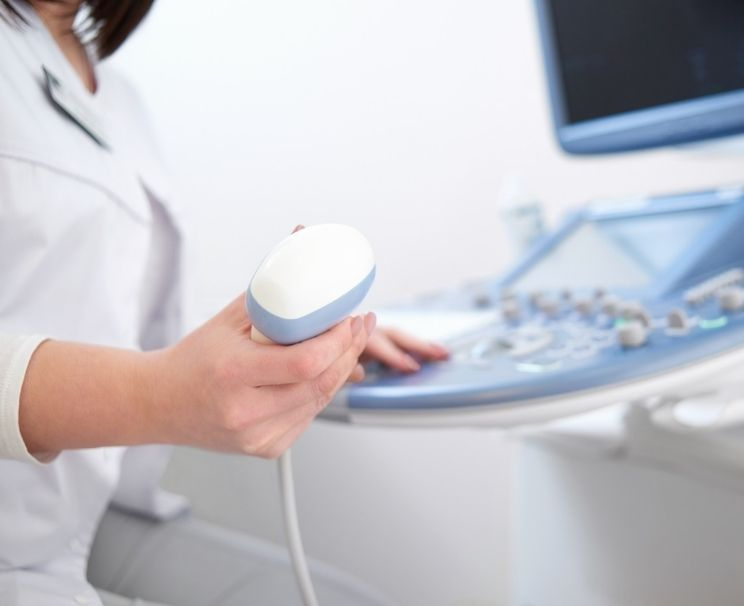
The main areas evaluated within the scope of gynecological imaging include:
- Uterine size and the appearance of intrauterine structures
- Position and structural characteristics of the ovaries
- Evaluation of the presence of fluid accumulation in the pelvic region
- Imaging of anatomical structures related to the cervix
- Measurement of endometrial thickness and evaluation of the inner surface structure
- Assessment of the presence of masses, cysts, or structural variations in the pelvic region
The obtained images are recorded as measurements and cross-sections via the ultrasound screen. Within the definitional framework, this method is classified among ultrasound imaging techniques used in gynecological evaluations. Diagnostic interpretation is always shaped according to individual findings.
Frequently Asked Questions
Is vaginal ultrasound difficult?
The examination process is generally not considered difficult. Imaging is completed in a short time, and the structure of the equipment used contributes to controlled progression of the procedure. Sensations experienced may vary depending on individual sensitivity. The evaluation is planned in line with the physician’s guidance and application technique and is considered a tolerable process for most individuals.
How many minutes does a vaginal ultrasound take?
It is generally completed within a short period. The duration of the examination may vary depending on the scope of the structures to be imaged and the measurements to be taken. Most evaluations are completed within a few minutes, and the obtained images are recorded and interpreted.
Is the vaginal ultrasound device hygienic?
The probe used during the procedure is prepared with a hygienic protective cover before each examination. Single-use materials are preferred during the application process, and standard cleaning procedures are applied. These steps performed before and after imaging cover technical practices aimed at ensuring hygiene conditions.
For general information regarding the evaluation process, imaging stages, and findings related to vaginal ultrasonography, you can contact Denge Tıp.