

Elevated TSH levels in infants refer to a measurement above the reference range in tests conducted to assess whether the thyroid gland produces sufficient hormones. Changes detected during newborn screening may indicate a condition that can affect metabolic rate and growth processes.
Elevated TSH levels in infants, when identified at an early stage, help clarify the appropriate follow-up pathway. An increase in values may be associated with reduced thyroid hormone production, temporary adaptation processes, or postnatal physiological changes. During monitoring, the progression of hormone levels, weight gain, and overall development are taken into consideration. The approach applied is shaped according to the needs determined specifically for the infant.
What Causes Elevated TSH Levels in Infants?
Value differences observed in measurements taken during the first days after birth may be associated with the thyroid system’s adaptation to environmental conditions. Elevated TSH levels in infants often occur as a result of temporary changes in hormone balance.
Maternal thyroid function, certain medications used during pregnancy, and gestational age at birth can affect measurement results. In premature infants, hormone secretion mechanisms may not yet be fully established, which can lead to values above the reference range.
The balance between the thyroid gland’s hormone production capacity and the stimulating hormone secreted by the brain shows a sensitive structure during the newborn period. Elevated T4 and TSH levels in infants may reflect the body’s effort to establish equilibrium.
Postnatal stress, iodine exposure, or early timing of screening tests may cause temporarily elevated measurement results. Definitive interpretation is not made based on a single test result; changes observed over time are considered more meaningful.
Conditions that may contribute to increased values include:
- Changes in the mother’s thyroid hormone levels during pregnancy
- Birth occurring earlier than planned
- The maturation process of the hormonal system in the newborn period
- Screening tests performed within the first hours of life
- Temporary fluctuations in iodine balance
During evaluation, not only numerical results but also the infant’s overall condition and developmental progress are considered. Repeating measurements at specific intervals contributes to a more accurate understanding of underlying causes.
Symptoms of Elevated TSH Levels in Infants
Hormonal imbalances occurring in early life may be noticed through certain physical and behavioral changes. Elevated TSH levels detected in heel-prick blood samples in infants are often identified without noticeable symptoms. However, in some infants, observable signs related to changes in metabolic rate may appear. These signs do not occur at the same level in every infant, and their severity may vary based on individual differences.
Some conditions observed during daily follow-up may be associated with increased hormone levels. Irregular feeding patterns, prolonged sleep duration, or reduced overall activity may be noticed by families.
Elevated TSH and T3 levels in infants, as they are linked to processes affecting energy utilization, may create a perception of slowed developmental progress. Height and weight gain remaining below expected ranges are among the factors monitored during this period.
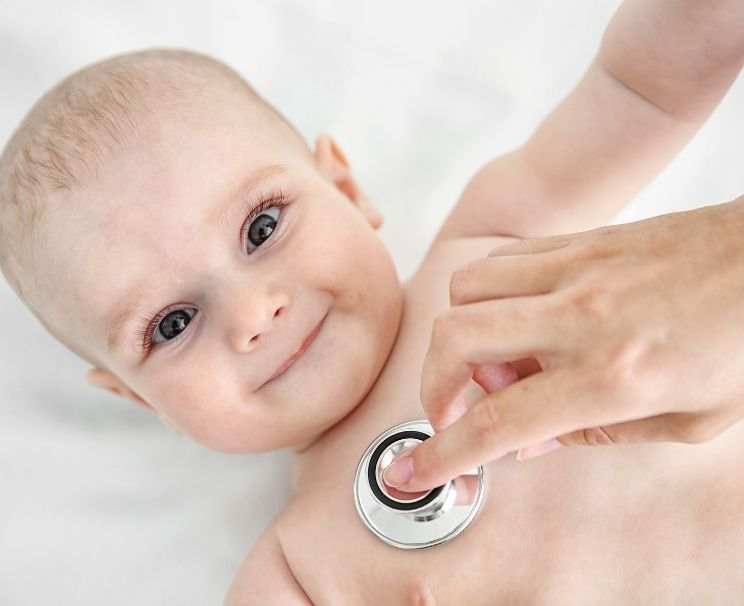
Symptoms that may be considered during evaluation include:
- Prolonged sleepiness and difficulty waking
- Quick fatigue during feeding
- A sensation of dry skin
- Perceived looseness in muscle tone
- Slowness in general movements
The presence or absence of symptoms alone is not considered decisive. Observed findings are evaluated together with measurement results. Regular monitoring throughout the process helps to understand how symptoms change over time.
Treatment of Elevated TSH Levels in Infants
The treatment process is planned based on the level of measurement results and their changes over time. The aim is to ensure that hormone balance remains within age-appropriate ranges. The approach followed is determined by taking individual characteristics into account for each infant and is based on regular monitoring.
Treatment approaches generally include the following:
- Re-measuring hormone levels at specific intervals
- Monitoring whether elevated values are temporary
- Initiating thyroid hormone support when deemed necessary
- Adjusting hormone dosage according to age and weight range
In some infants, regular monitoring alone may be considered sufficient, while in other cases hormone support may be preferred. In cases where treatment is initiated, medication use continues at the determined dosage and for the recommended duration. Dosage adjustments may be made based on changes in values. Measurement results are closely monitored throughout the process, and the approach may be updated if necessary.
During treatment, growth rate, weight gain, and overall developmental progress are followed. As hormone levels reach balance, the need for support may decrease over time. The duration of monitoring may vary depending on the results obtained. Treatment success depends on consistent continuation of routine follow-up and the planned process.
Frequently Asked Questions
Congenital hypothyroidism is a condition in which a baby is born with an insufficient production of thyroid hormones. This disorder usually occurs because the thyroid gland is absent, underdeveloped, abnormally located, or not functioning properly. Thyroid hormones play a crucial role in a baby’s brain development, growth, and metabolism. Since congenital hypothyroidism often shows no obvious symptoms at birth, it is typically detected through newborn screening tests.
Early diagnosis of congenital hypothyroidism is essential for a baby’s healthy physical and intellectual development. If left untreated, the condition can lead to permanent intellectual disability, growth retardation, and learning difficulties. However, congenital hypothyroidism can be identified early through the heel prick (newborn screening) test. With timely diagnosis and regular treatment, affected babies can grow and develop normally and lead healthy lives.
It refers to measuring a thyroid-stimulating hormone level above the range accepted for the infant’s age. The significance of the value is determined by evaluating the timing of measurement together with repeat results.
In the newborn period, increased values often do not produce clear signs. In some infants, prolonged sleepiness, quick fatigue during feeding, slowed movements, and failure to achieve expected weight gain may be observed. Findings may not appear in the same way in every infant.
The accepted range for TSH is evaluated based on the day the measurement is taken and the infant’s age. In the newborn period, values may fall within a wider range compared to adults. Therefore, age-specific reference ranges are considered rather than a single numerical value.
Persistently elevated values may contribute to slowed metabolic rate and changes in the growth process. Early detection is important to prevent potential effects. Temporary elevations may return to normal without causing permanent impact.
Treatment duration varies depending on the course of values and the approach applied. In some infants, short-term monitoring is sufficient, while in cases requiring hormone support, the process may continue for several months. Duration is determined through regular measurements.
When both values are elevated, it may be associated with temporary changes occurring during the establishment of hormonal balance. Measurement results over time are considered decisive in determining whether the condition is permanent.
This may indicate that the balance between thyroid hormone production and stimulating hormone functions differently. Evaluating values together helps clarify the appropriate course of action.
For more information about elevated TSH levels in infants and to access general information regarding the evaluation process, you may contact Denge Tıp.